Wageningen, The Netherlands
March 19, 2026
An estimated 500 million to 1 billion people worldwide are affected by selenium deficiency, according to the World Health Organization (WHO). Researchers at Wageningen University & Research (WUR), working with the University of Turin in Italy, have developed a metabolic map describing how plants take up and process selenium. This knowledge could help develop crops with higher selenium levels.
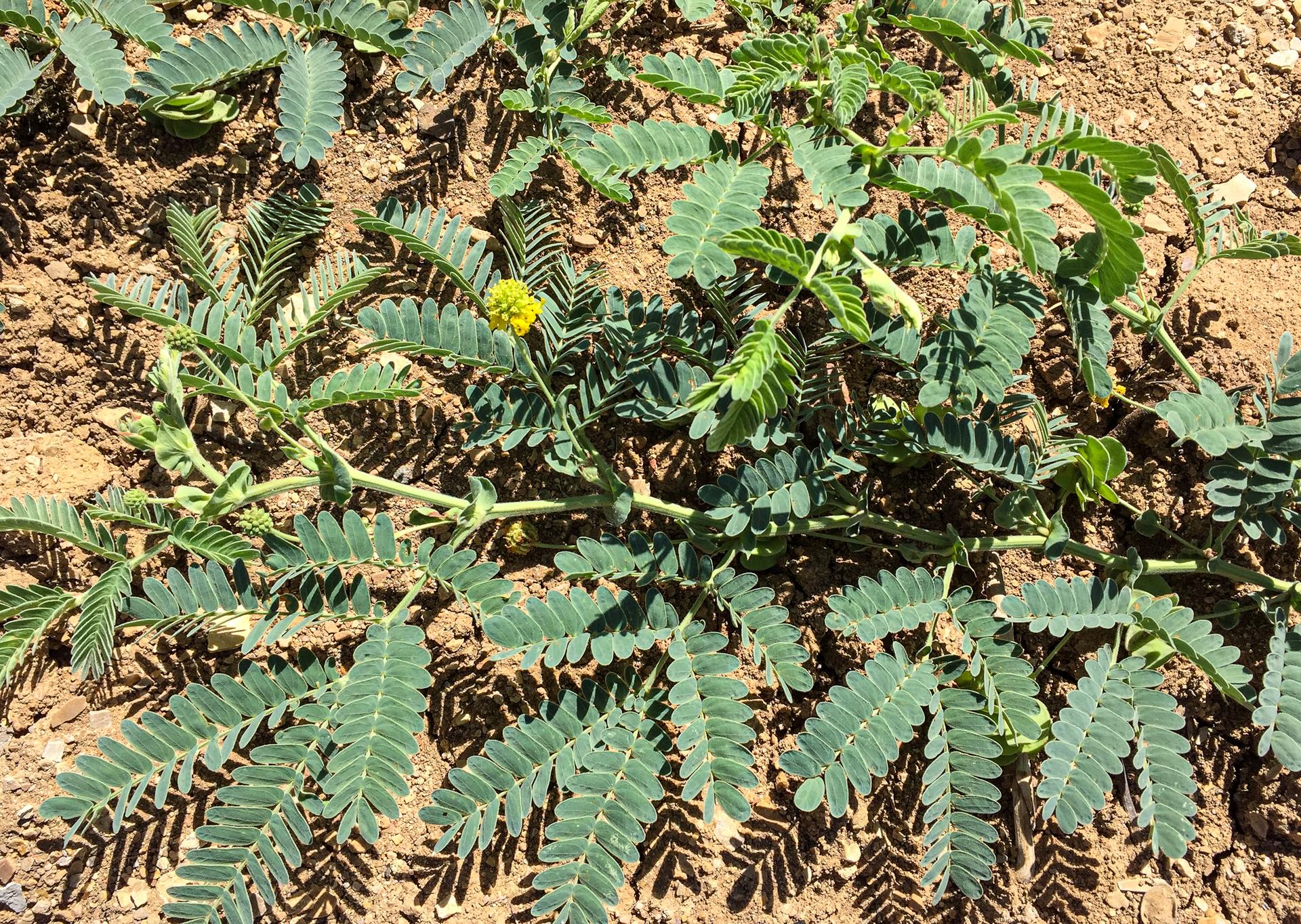
Neptunia amplexicaulis (Photo: WUR)
Selenium is an element that is necessary or beneficial for humans, animals and plants, albeit in small amounts. At slightly elevated concentrations, however, it becomes toxic. Most plants do not need selenium and naturally contain very little of it. This is a major reason that people often take up too little selenium through their food.
One possible solution to resolve the selenium deficiency is through biofortification: developing food crops with a higher selenium content. To make this possible, academia and industry need a better understanding of how plants take up and store selenium.
Plants that can tolerate high levels of selenium
Only a few, often rare, plant species can contain strikingly high concentrations of mineral elements without it harming them. These so-called hyperaccumulators are the focus of research by Antony van der Ent and Mark Aarts at Wageningen University & Research. They study the ecophysiology and genetics of these plants to understand how and why they so readily accumulate certain elements.
PhD candidate Jeroen van der Woude is studying Neptunia amplexicaulis. This species grows in the desert of Queensland, Australia, and has a remarkable appetite for selenium, which occurs locally at elevated concentrations in the soil. He wants to find out how this hyperaccumulator can store so much selenium without toxic effects. That is exactly what makes it interesting for researchers who want to understand how plants handle selenium.
First comprehensive model of selenium metabolism
The researchers systematically collected all existing knowledge about how plants deal with selenium. The article was published as a prestigious Tansley Review in New Phytologist and describes the first comprehensive metabolic map (atlas) of selenium metabolism in plants. As selenium chemically resembles sulphur, contributing to its toxicity, the researchers also show how selenium metabolism is intertwined with sulphur metabolism.
“This model maps out how selenium is taken up and processed in plants. It also brings together what is known about the different selenium compounds in plants, the enzymes involved, and the genes that influence uptake and tolerance,” says Antony van der Ent. “It therefore provides a basis for better understanding how selenium hyperaccumulator plants function.”
Basis for further research
According to Van der Ent, this knowledge can help researchers design follow-up studies to develop selenium-rich crops in a more targeted way. Such crops could, in the future, help reduce selenium deficiencies in our food and thereby support human health.
The research is part of an NWO Vidi project led by Van der Ent, fully focused on unravelling selenium hyperaccumulation in Neptunia amplexicaulis. With the knowledge now brought together in the new atlas of selenium metabolism, specific key genes can be identified as prime candidates for follow-up research into the molecular physiology of selenium hyperaccumulation in N. amplexicaulis. An important next step is to determine which transport proteins the plant uses to take up selenium and move it from the roots into young shoots and inflorescences.
Read the paper published in New Phytologist.




 Topics
 Species